


Foil, Embossing, Letterpress or UV Printing? Choosing the Right Wedding Invitation Finish
By Lotus Exclusive Invitations
August 2026 | 5 mins
Table Of Contents
Which wedding invitation printing technique should you choose?
Which finish looks the most premium?
Can you combine multiple techniques?
Why paper and printing must be chosen together
How Lotus produces wedding invitations
Questions to ask before choosing a finish
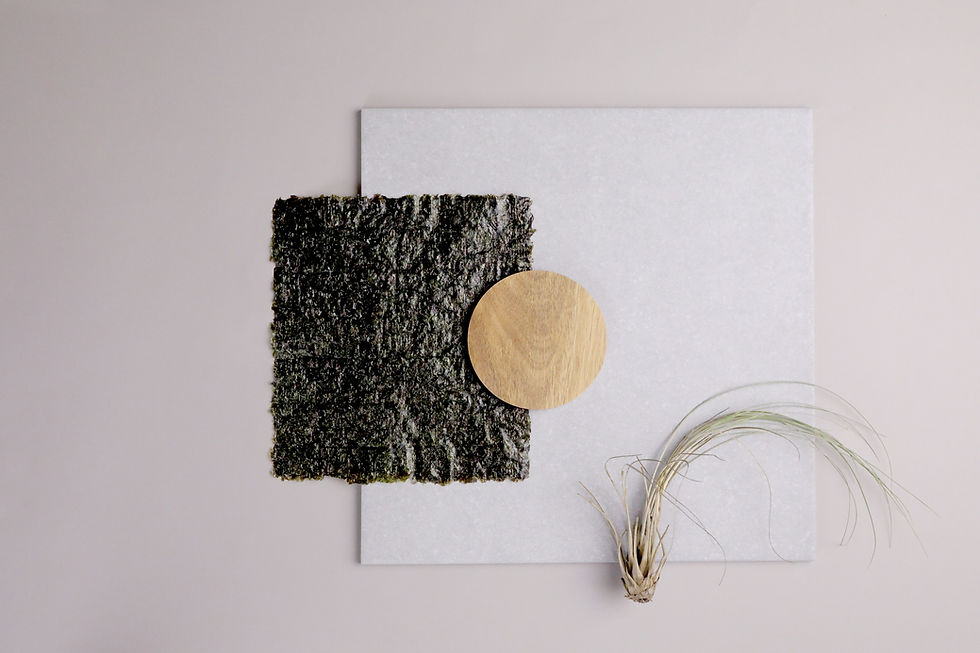
The artwork on a wedding invitation is only half of the result. The way that artwork is printed and finished determines its shine, depth, texture and physical character. That is why couples should choose a production technique because it suits the design — not simply because it sounds luxurious.
Which wedding invitation printing technique should you choose?
Choose the technique that best matches your design, paper, budget and desired tactile effect. Foil adds metallic reflection, embossing adds raised depth, letterpress creates an impression, and UV or silkscreen can support detailed or contemporary artwork. |
Foil stamping: for controlled metallic detail
Foil stamping uses heat and pressure to apply foil to selected parts of a design. It is commonly used for names, monograms, borders and motifs. Gold and silver are familiar choices, but other foil effects can also be used.
Foil works best when it has a clear purpose. Highlighting one important element can feel more refined than covering every available surface.
Embossing: for raised, tactile detail
Embossing raises selected elements above the surface of the paper. It is effective for monograms, crests, borders and subtle decorative patterns because the detail can be felt as well as seen.
Debossing: for a pressed-in effect
Debossing presses an element into the material. It can create a restrained premium feel, especially when the design relies more on texture than colour.
Letterpress: for an understated impression
Letterpress presses the artwork into suitable paper. It is often associated with thick tactile stocks, fine typography and minimal design. Rather than relying on shine, the impression itself becomes part of the experience.
UV printing: for detailed contemporary artwork
UV printing can support colour-rich graphics, illustrations and modern design concepts. It is useful when the artwork contains fine detail or multiple colours that need clean reproduction.
Silkscreen: for distinctive colour and surface effects
Silkscreen printing is another way of applying colour or design elements to a surface. It can be considered when the chosen artwork or material benefits from that production method.
Which finish looks the most premium?
There is no single “most premium” finish. A successful luxury invitation is created by the combination of design, paper, printing quality and restraint. |
A minimal invitation may look exceptional with letterpress. A traditional card may benefit from selective foil. A contemporary illustrated card may be stronger with excellent colour printing and no extra finish at all.
Can you combine multiple techniques?
Yes. Some invitations combine foil with embossing, colour printing with foil, or letterpress with blind embossing. But every added process should improve the design. More techniques can also increase cost, production time and proofing complexity.
Why paper and printing must be chosen together
Texture, coating and thickness affect how a technique performs. Before finalising a premium invitation, ask to see the proposed finish on a similar material wherever possible.
How Lotus produces wedding invitations
Lotus Exclusive Invitations lists foil stamping, embossing, letterpress, UV printing and silkscreen among its production capabilities. The studio states that its invitations are designed, printed and finished through its in-house setup in T. Nagar, Chennai.
For couples, the practical benefit is that design, material and production choices can be discussed together instead of treating printing as an afterthought.
Questions to ask before choosing a finish
· Does this technique suit the design and paper?
· Can I see a physical sample?
· Will the finish affect readability?
· Do we really need more than one special technique?
· How will the choice affect budget and delivery time?
The best finish is not the one with the biggest effect. It is the one that makes the design clearer, more tactile and more appropriate to the wedding. |
Frequently asked questions
Ready to Begin? Let Us Help You Find Your Perfect Design.
Choosing your wedding invitation is one of the most meaningful decisions in your wedding planning journey. It deserves careful thought, a trusted partner, and a creative team that truly understands South Indian wedding traditions as well as contemporary design sensibilities.
At Lotus Exclusive Invitations, we have been crafting luxury wedding cards in Chennai for years. Our in-house team handles everything from design consultation to final printing and delivery — so you always know exactly what you are getting, and you never have to worry about quality.
Visit us at 9/5 Coats Road, T. Nagar, Chennai, call us on +91 98410 33877, or schedule a free virtual tour from wherever you are in the world. Your invitation story starts here.